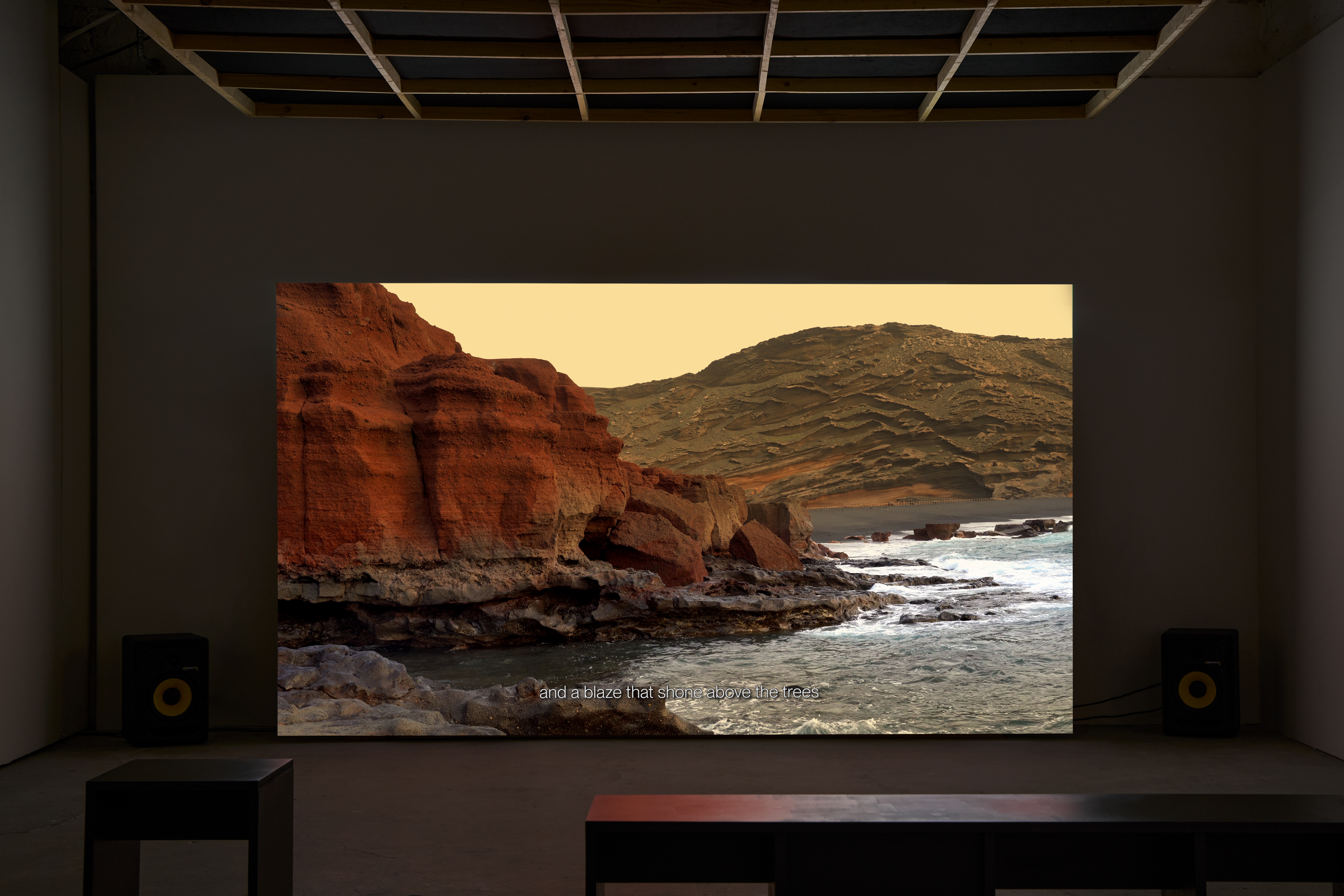
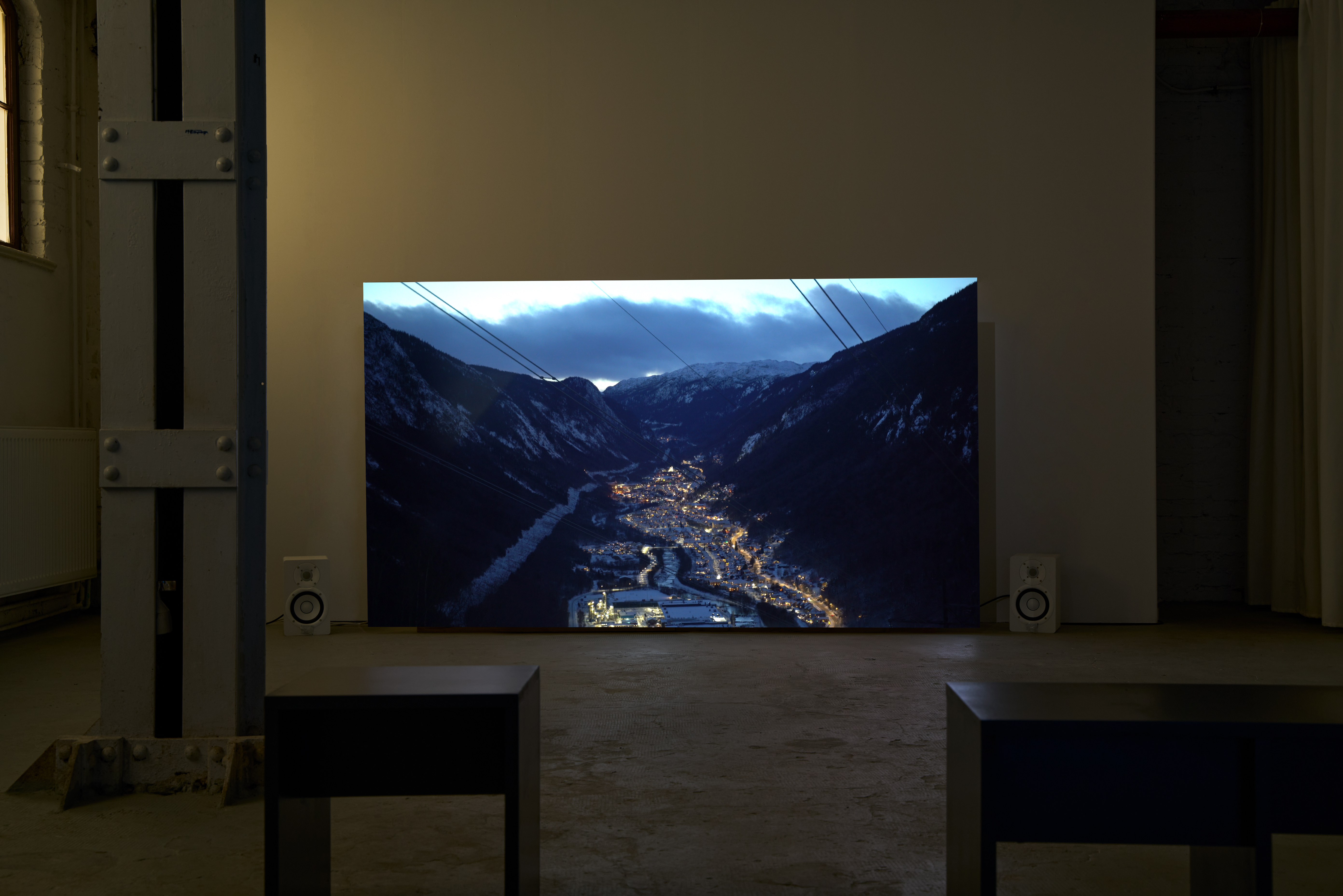
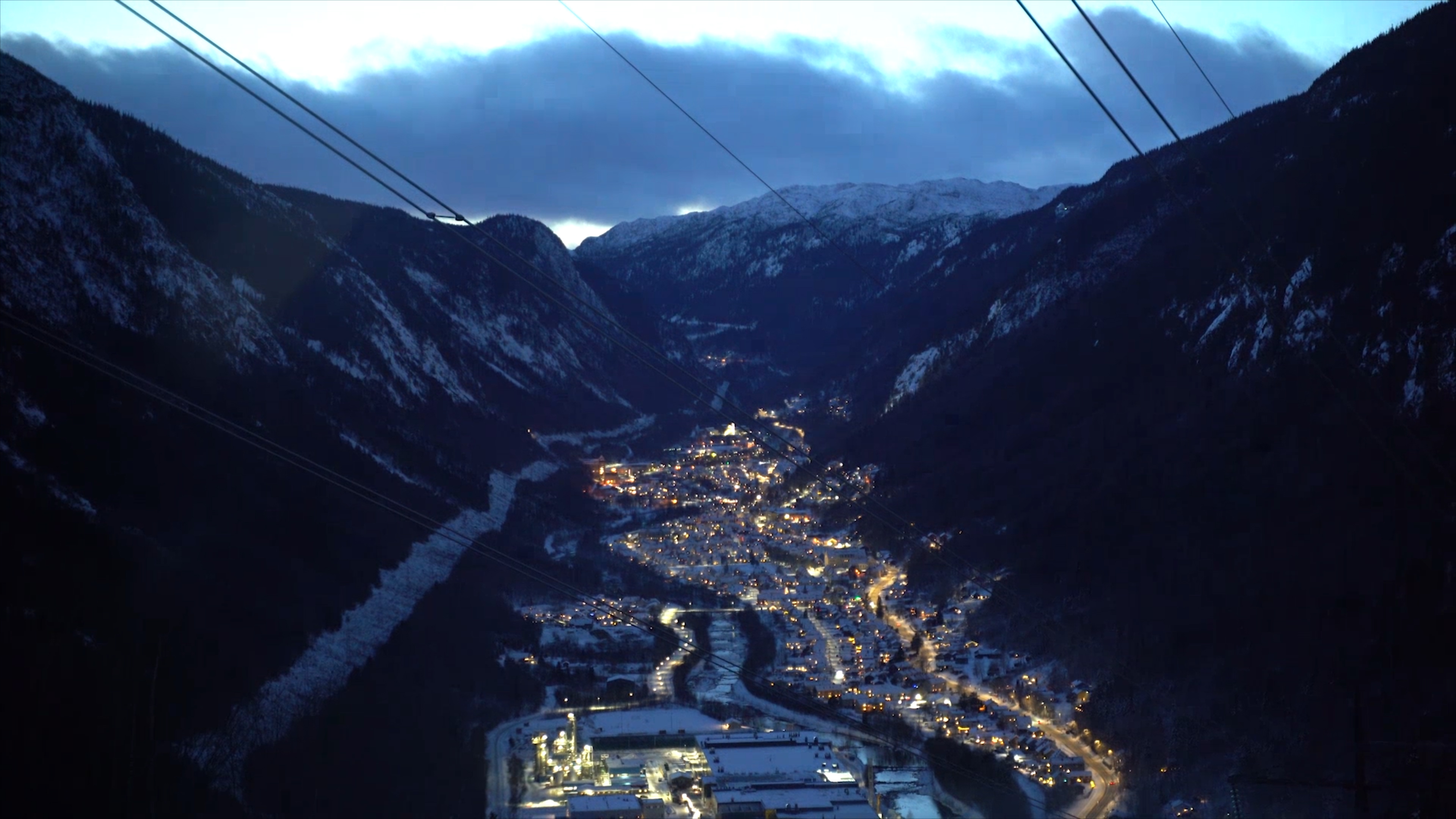
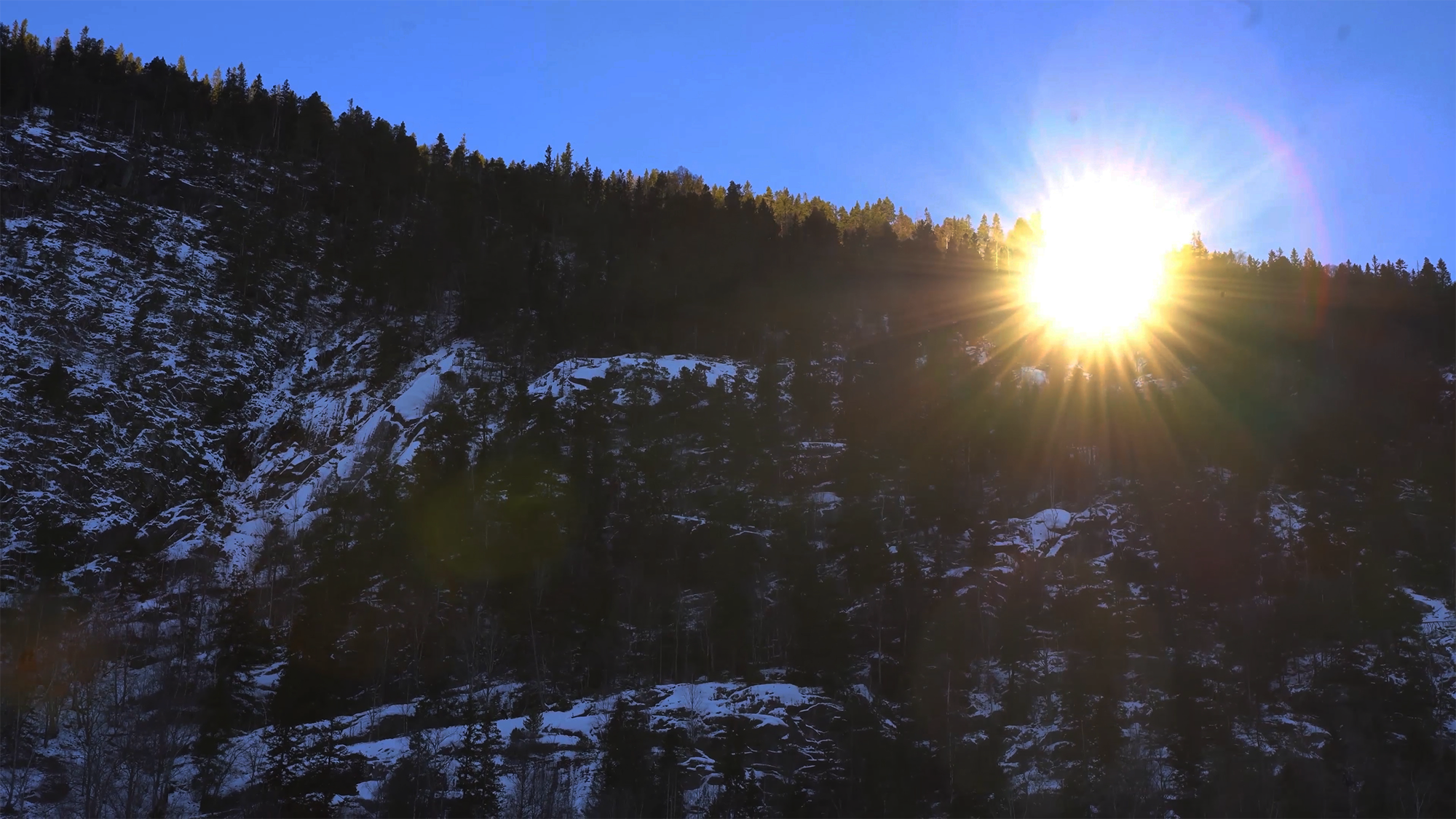
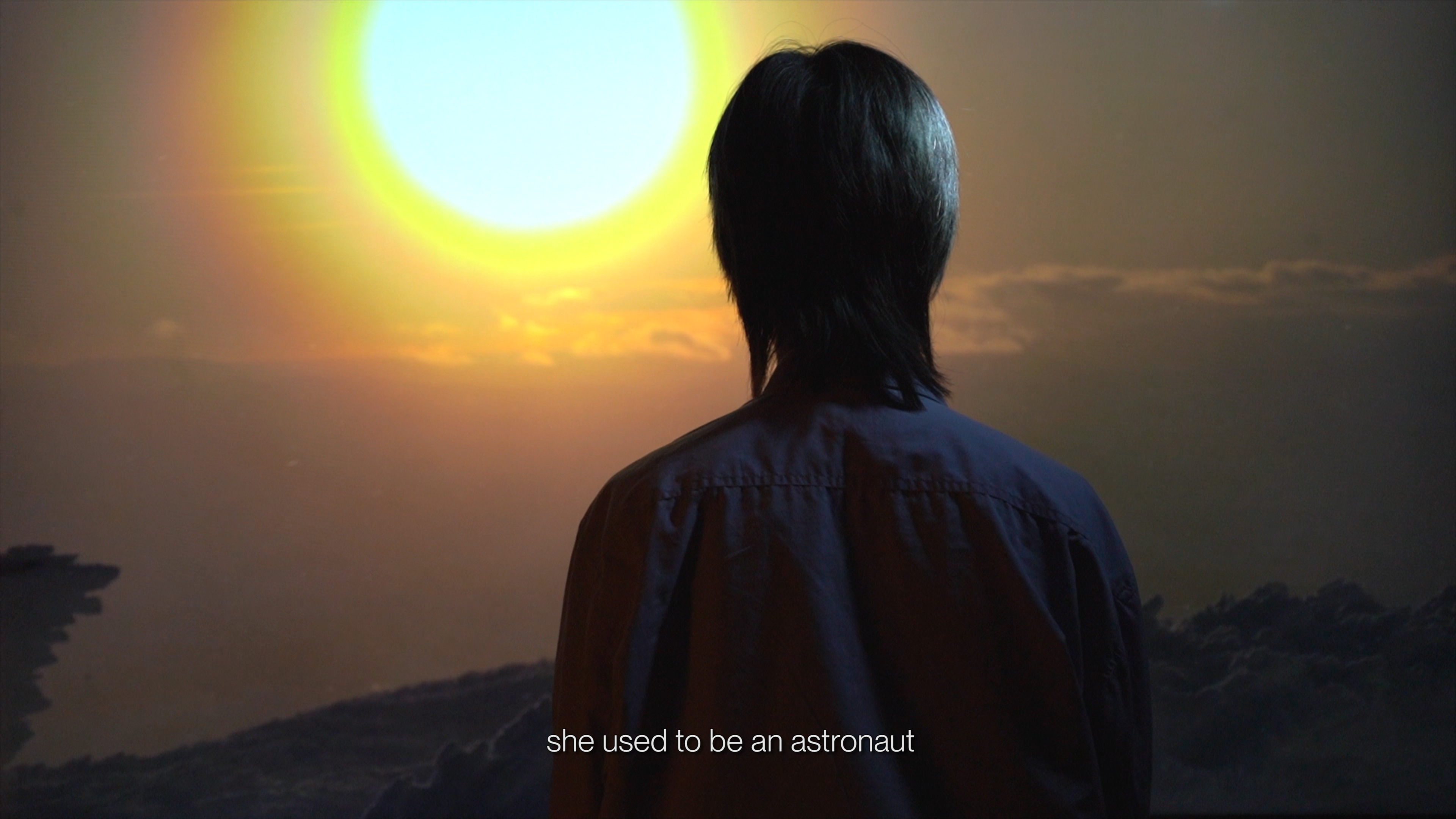
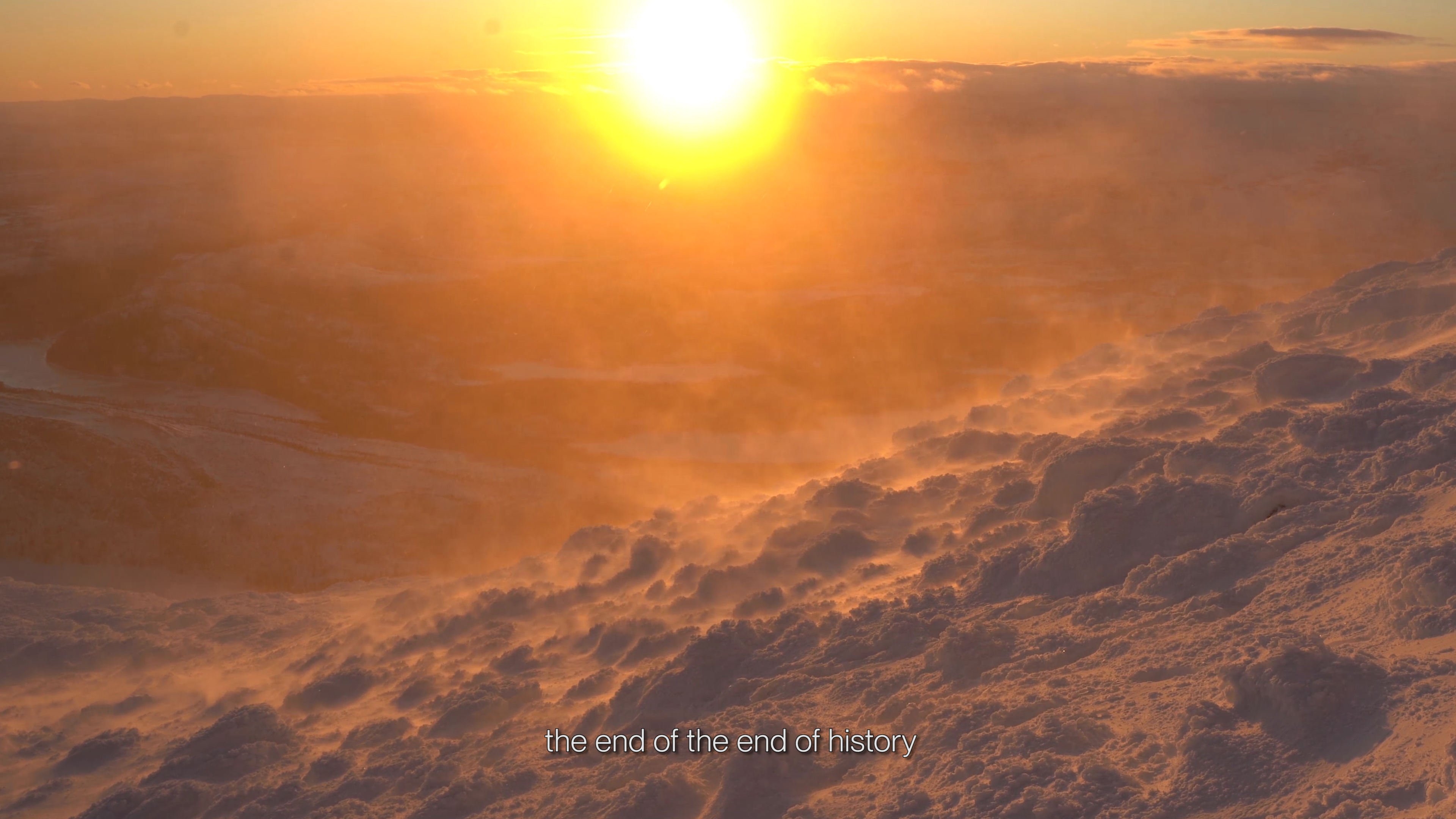
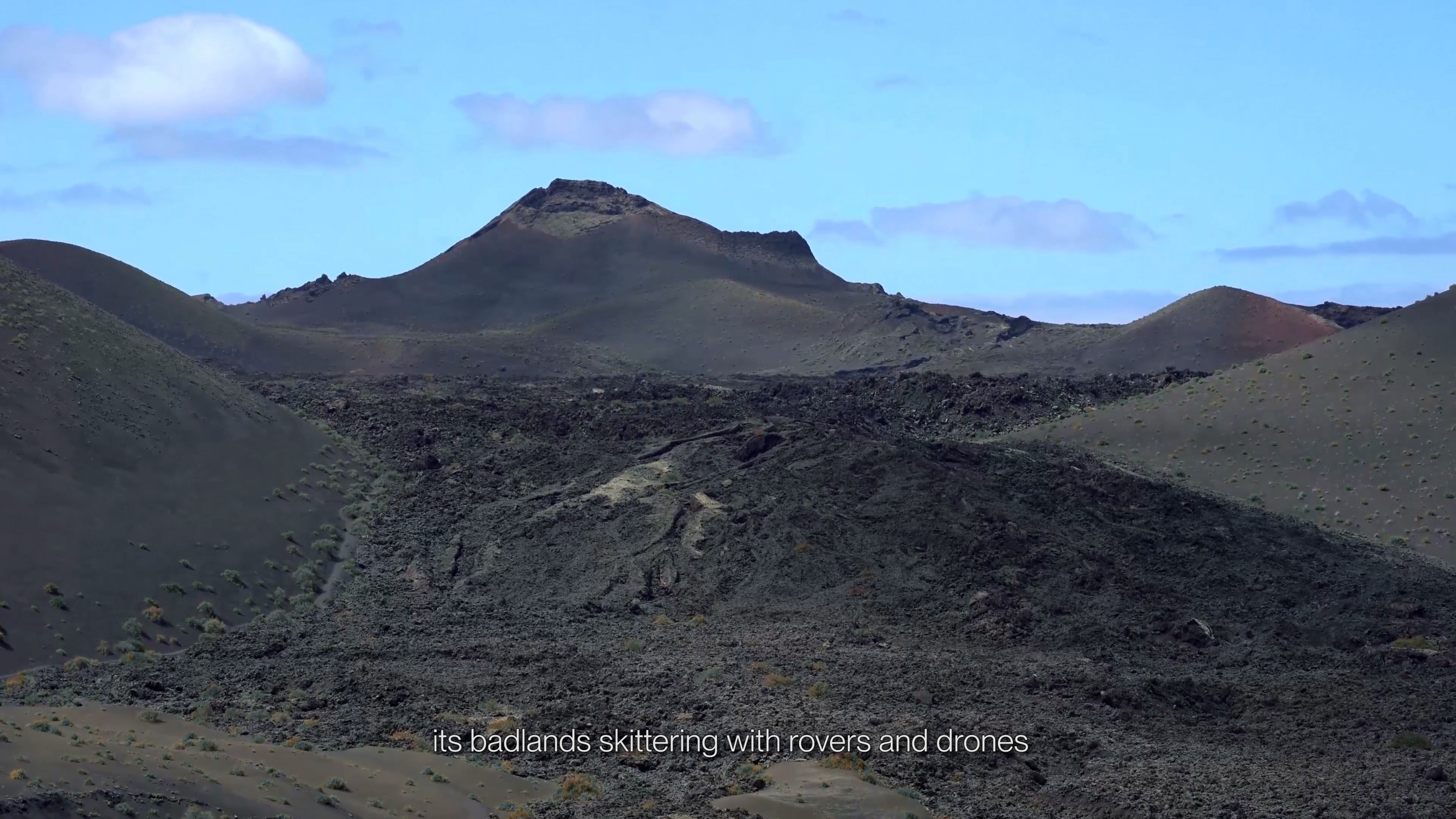
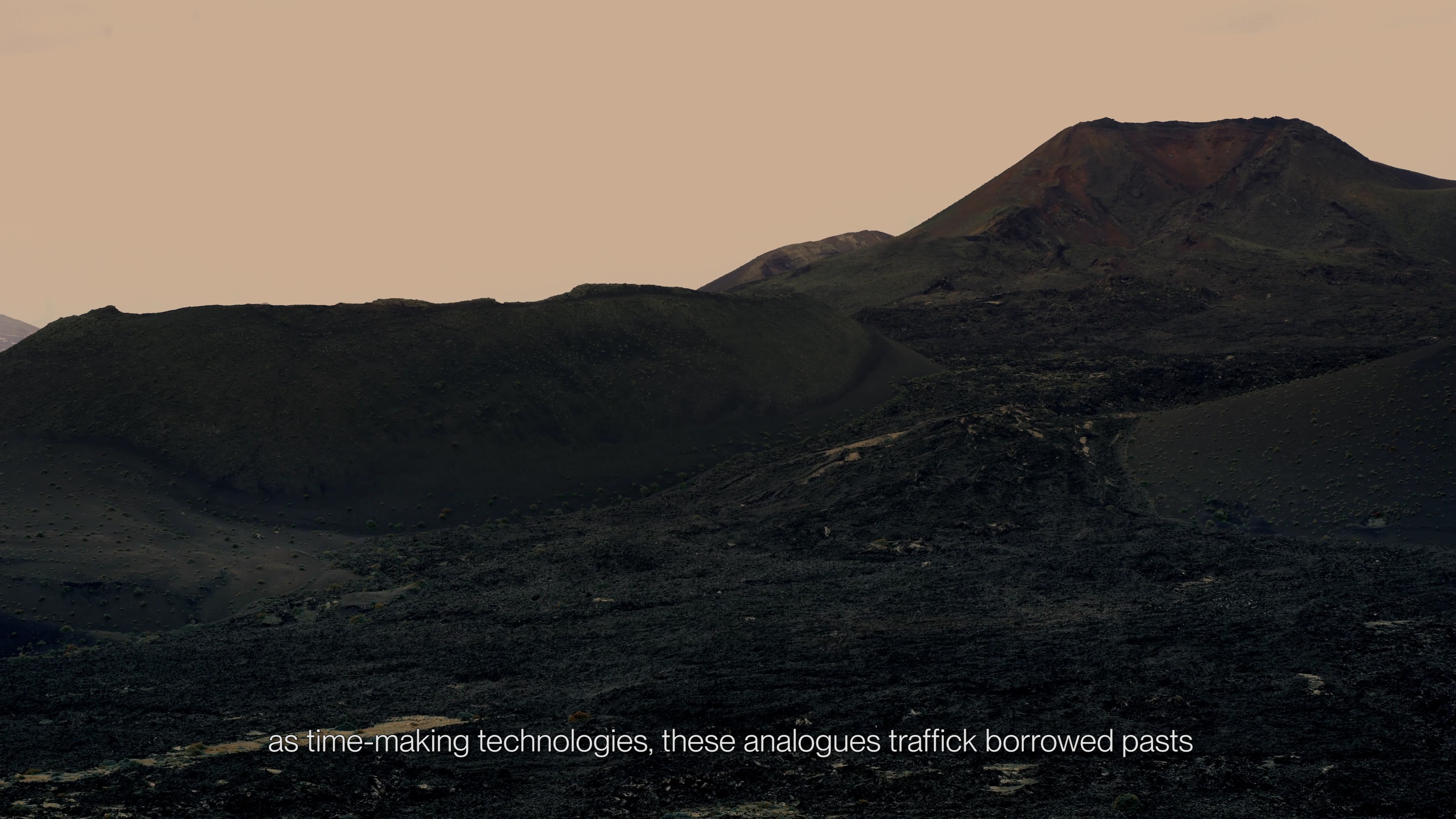
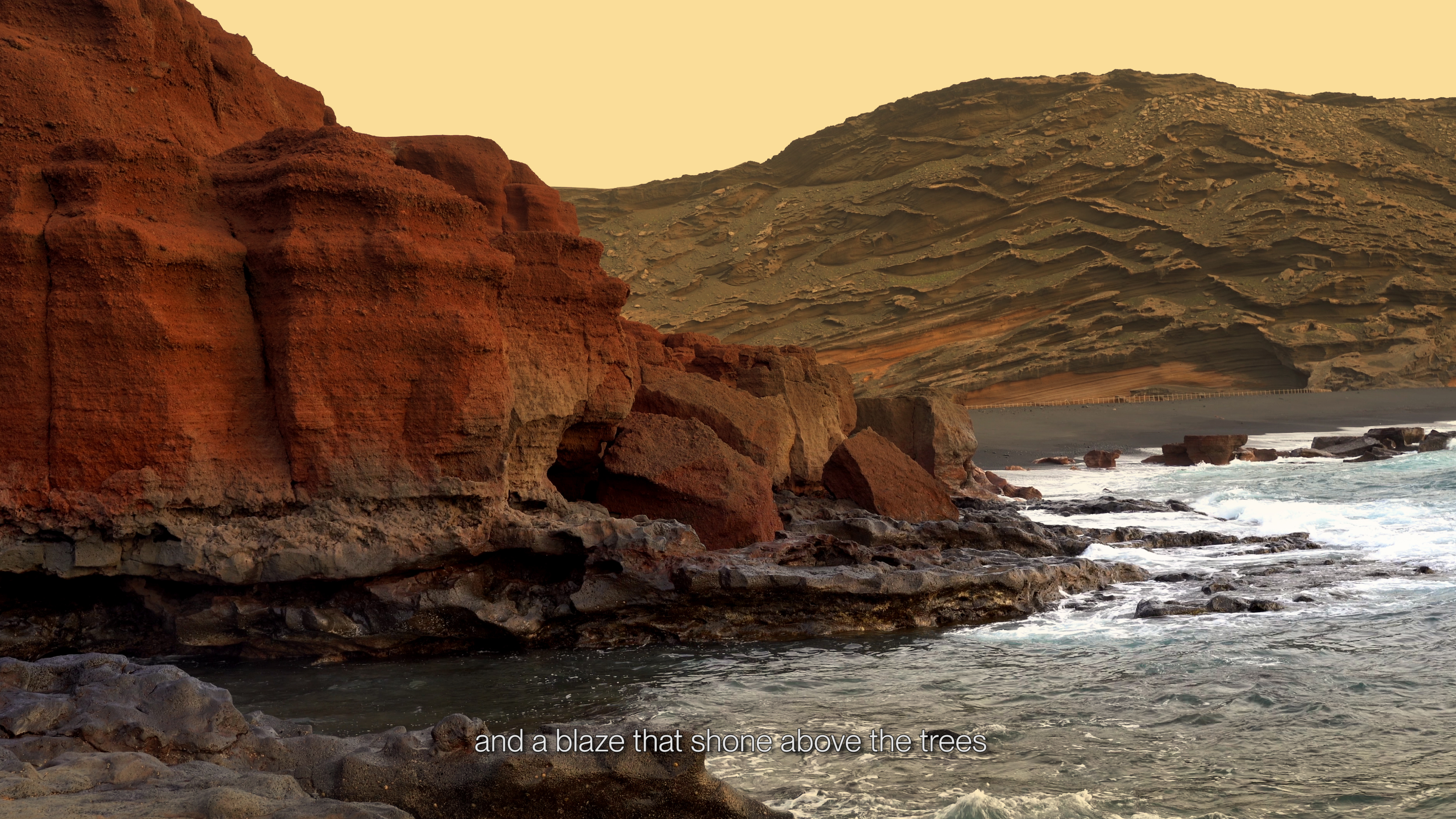
The central video work traces two locations; a sunless former worker‘s town, built in a valley so deep no sunlight reaches it on most days of the year, which is now bathed in the shaky reflection of its sun mirror. South, the former ESA testing ground on the badlands (malpaís) of Lanzarote poses as rehearsal site for extractivist space colonisation. Planetary doubles are sites on Earth that are made to stand in for extraterrestrial environments such as the Moon, Mars and the moons of outer planets. The scientific literature treats the double predominant- ly as a spatial surrogate: a stand-in for somewhere else – yet they also manufacture time: a geological past that hasn‘t happened, or a future that remains uncertain. As a time-making technology, the planetary double aims for sending a place elsewhen in time. It has trafficked in pasts both borrowed and buried, but its other temporal com- modity is futurity. Here, the landscape turns green once more after volcanic devastation, airborne pioneer orga- nisms holding onto lava and preparing the arrival of their leafed successors; in that sense, the badlands exist after the end of the end. Landscapes like people, it turns out, may resist permanent conscription into other worlds’ chronologies. Histories seep back.
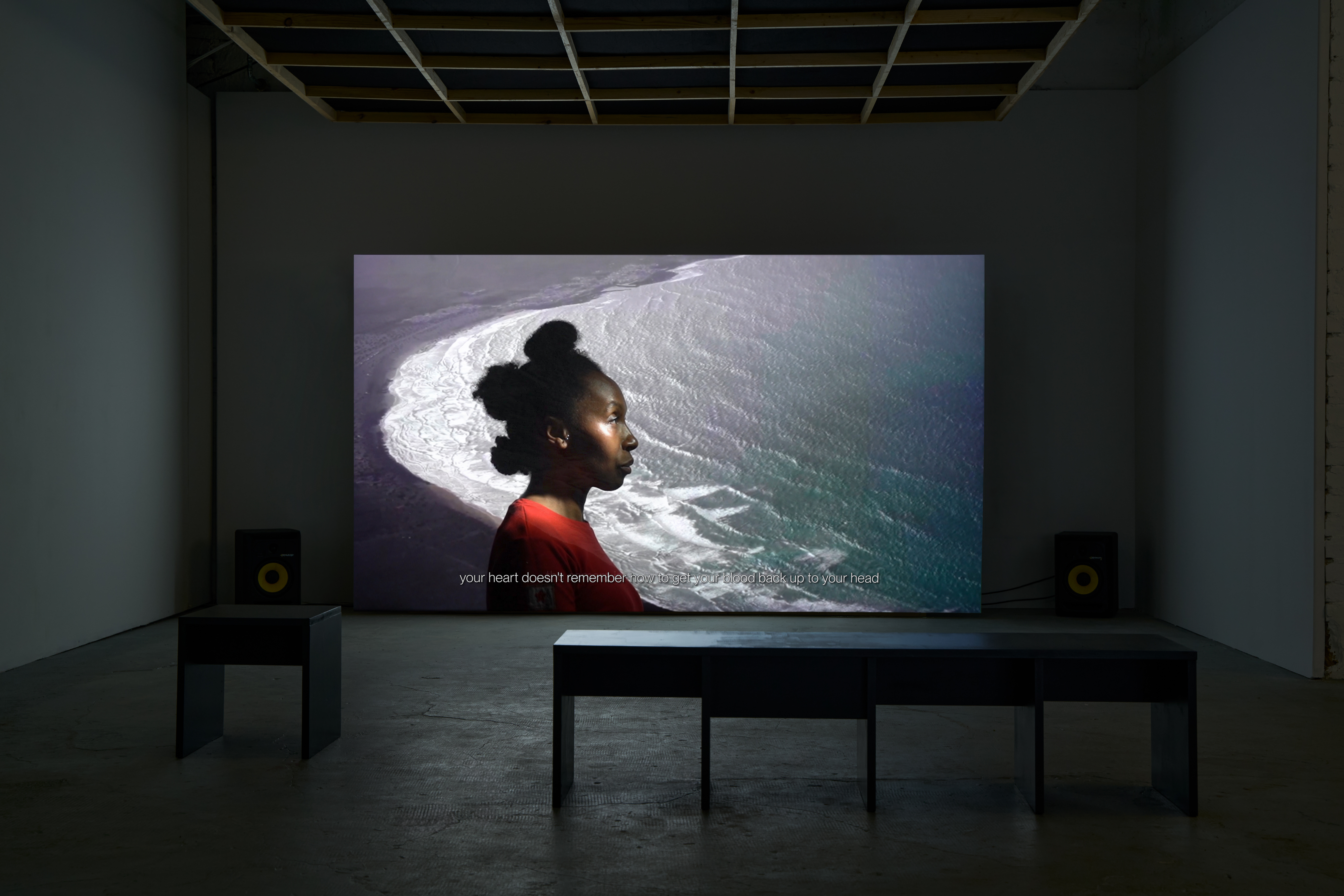
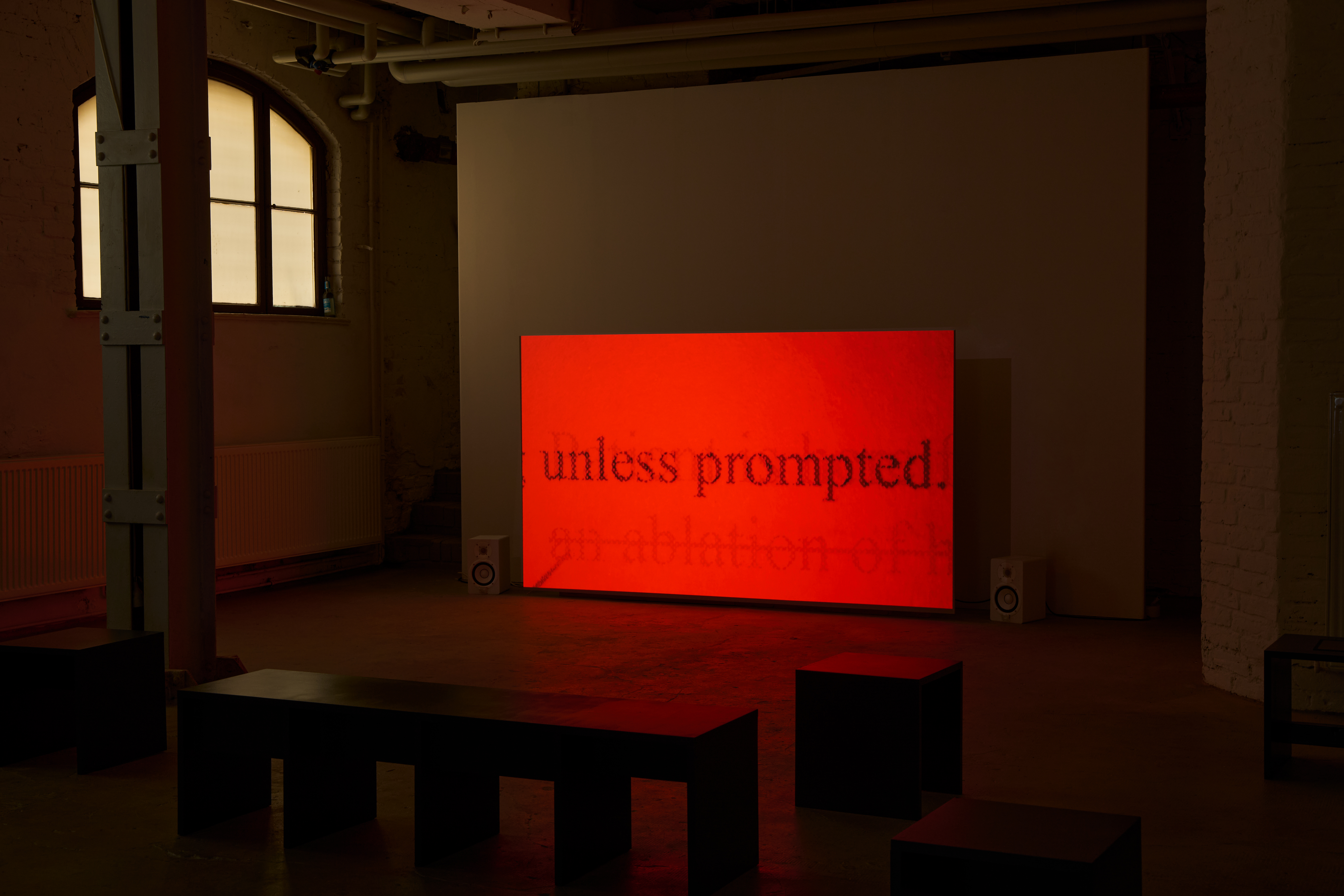
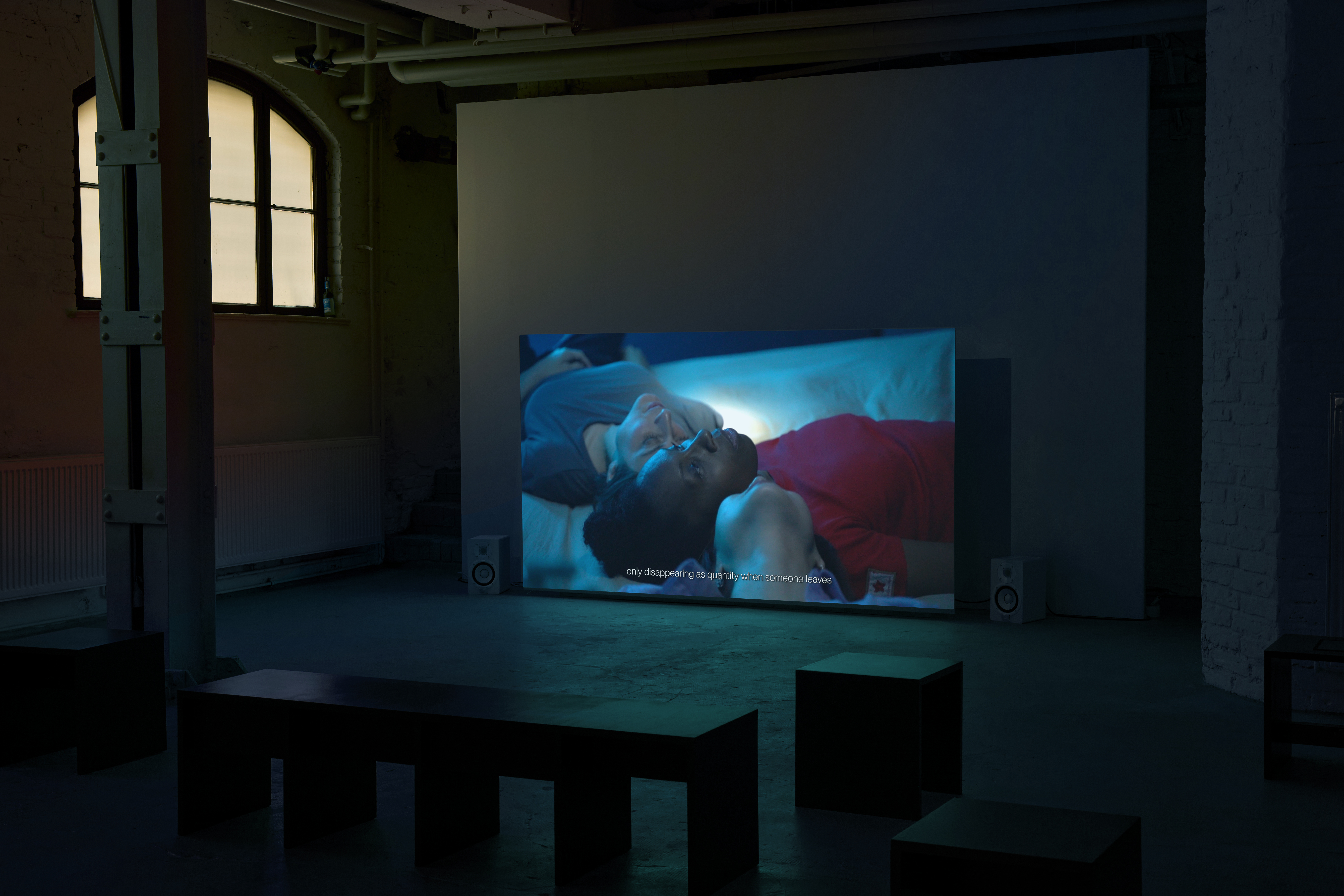
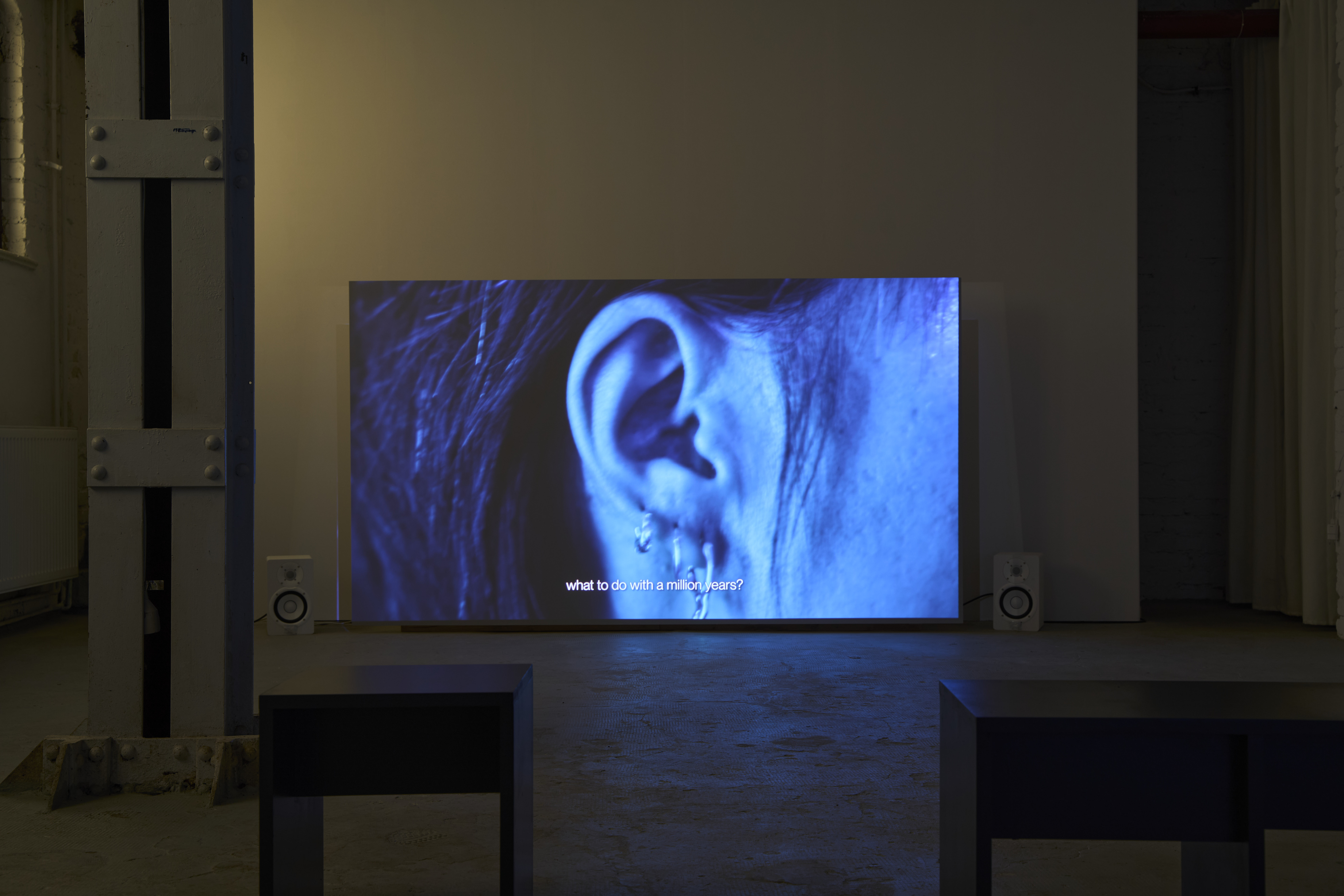
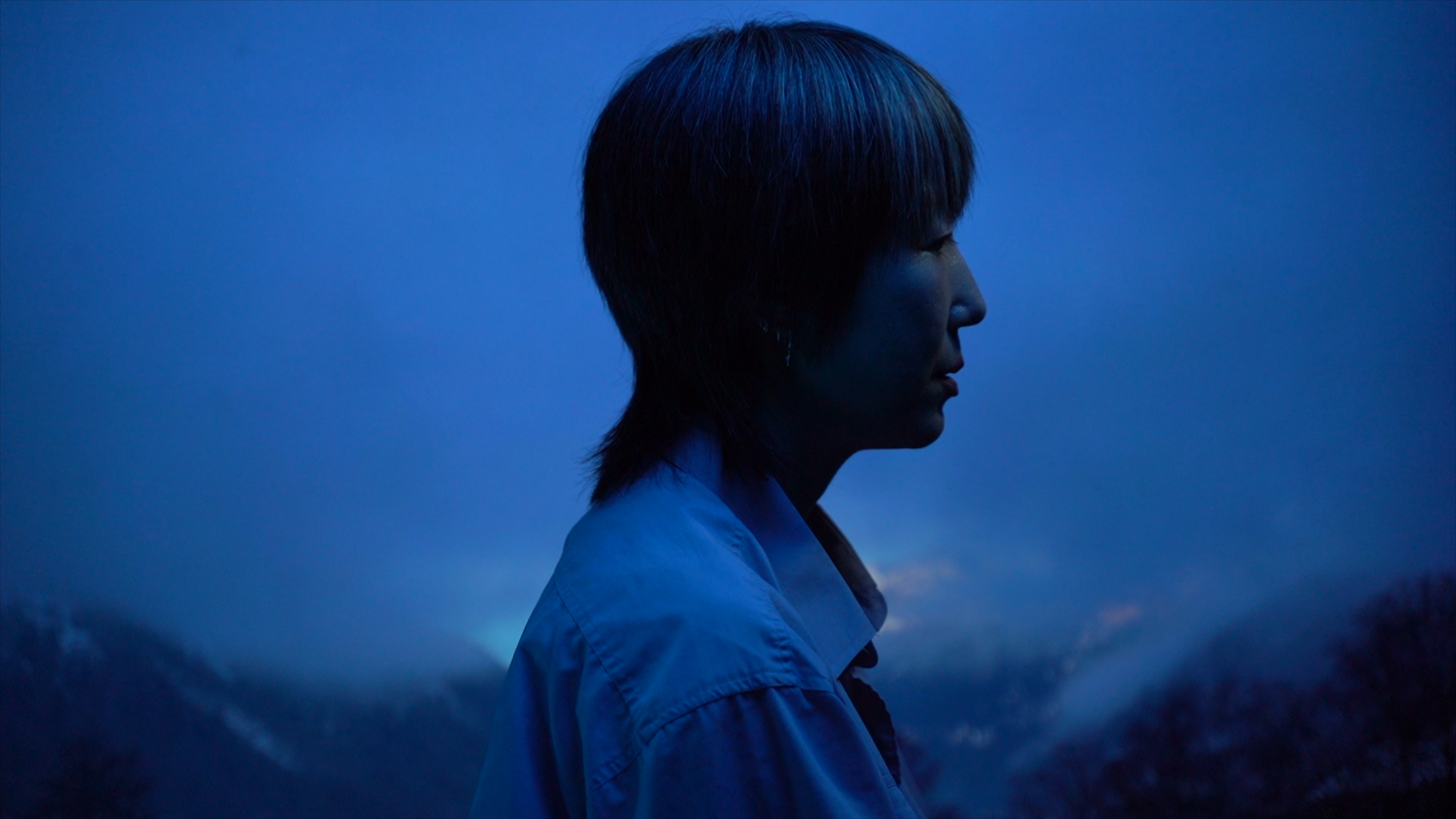
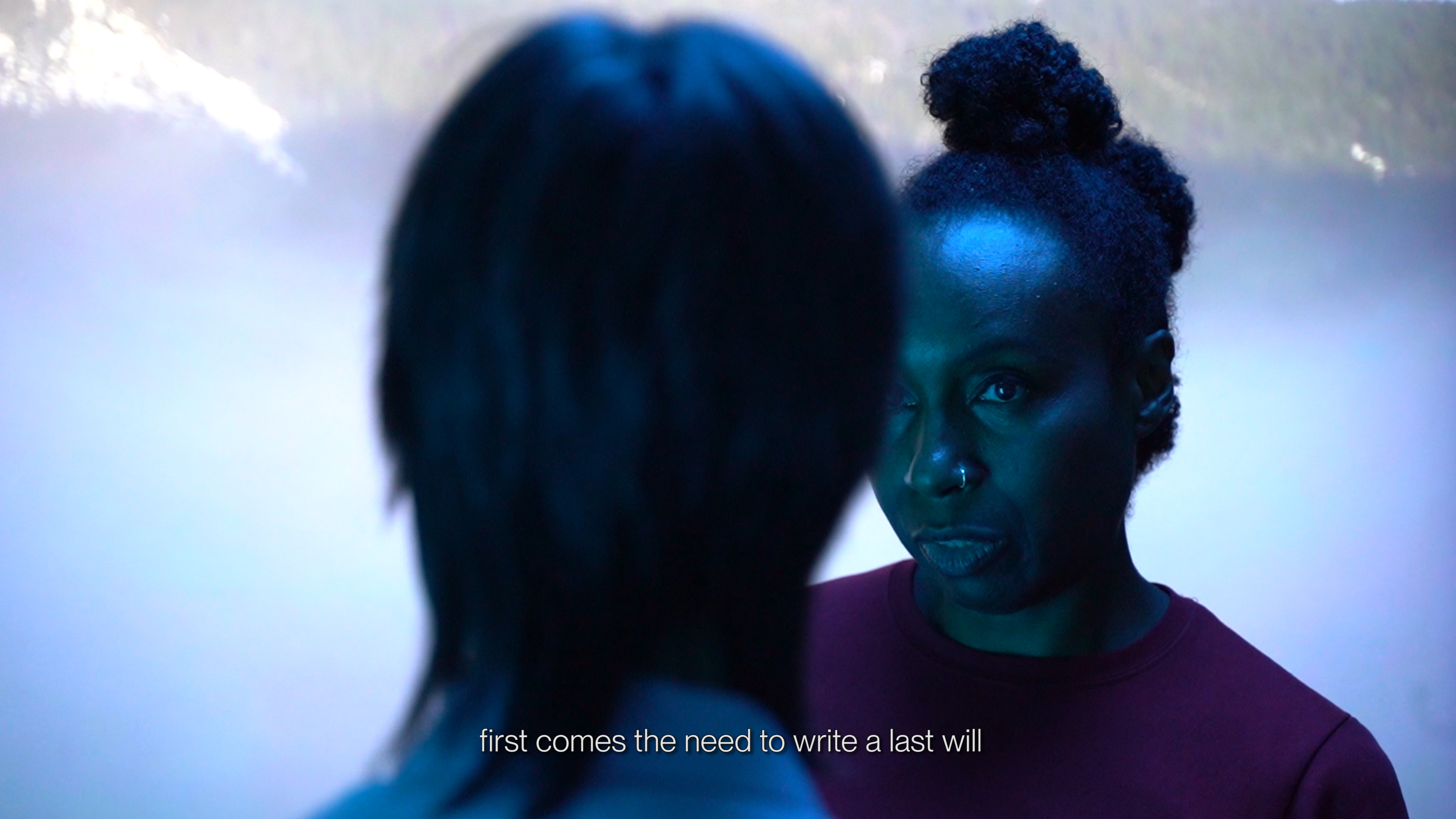
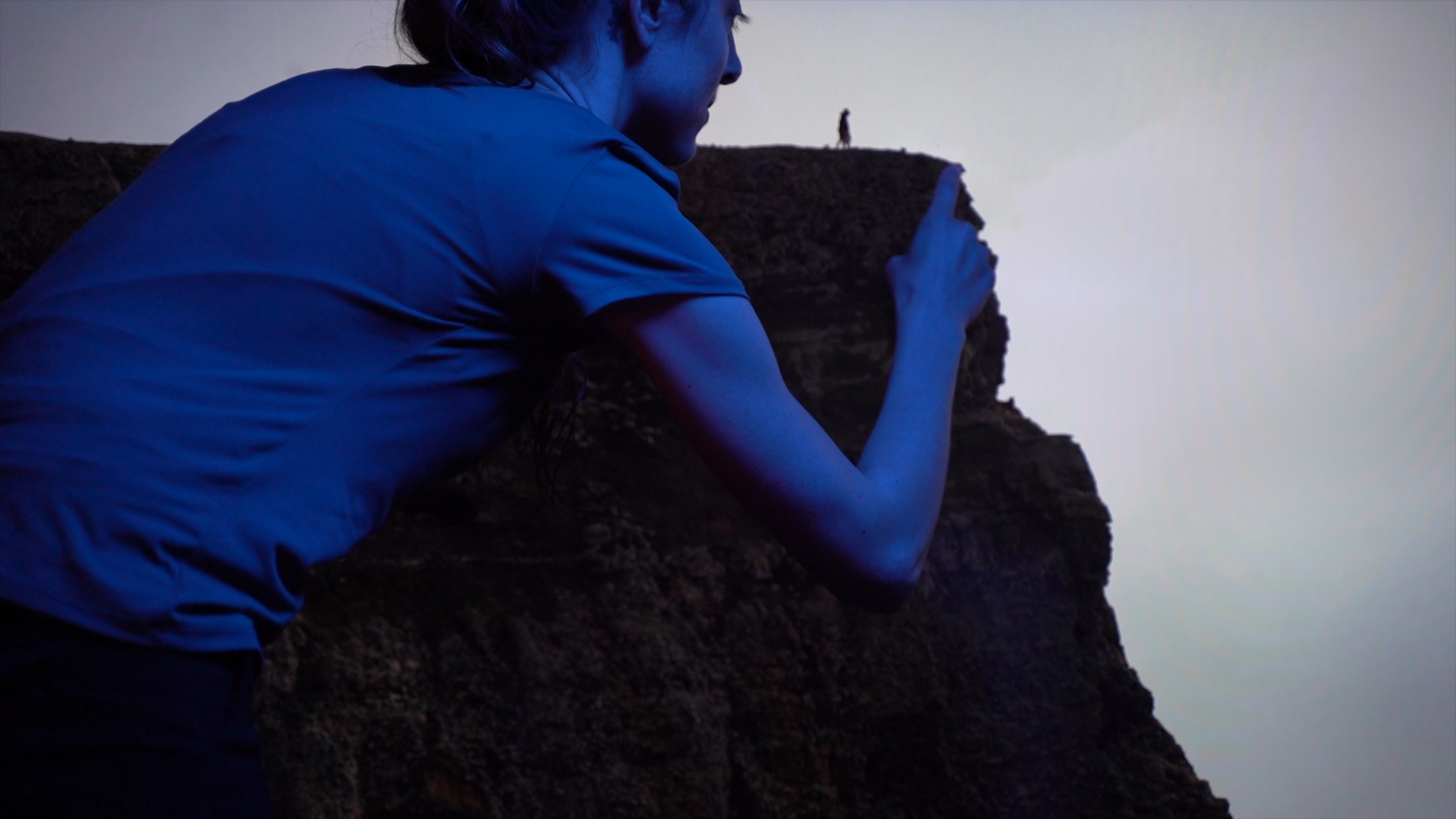
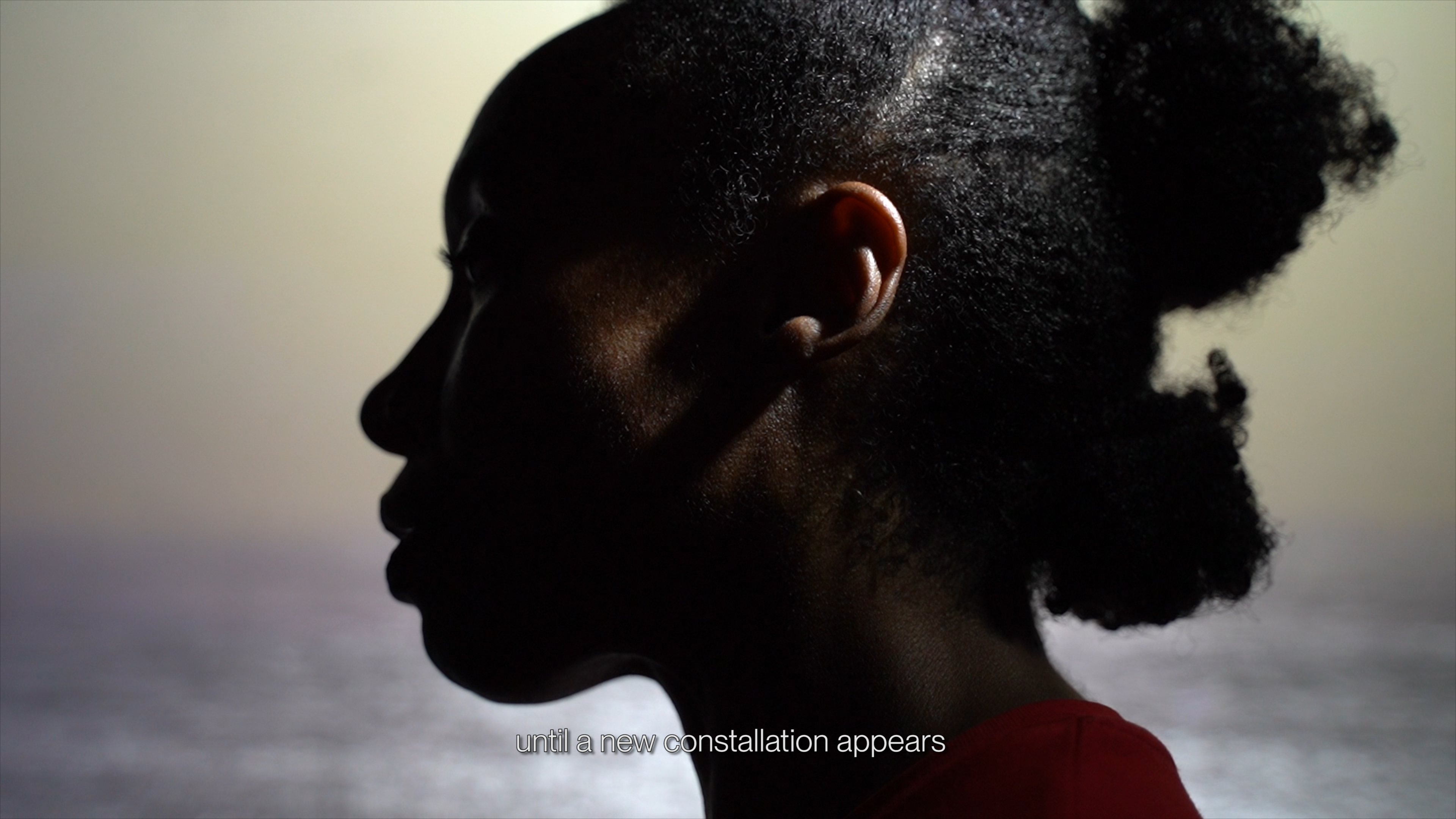
In the work, three protagonists/understudies are toggling between flickering roles; flatmates, crew mates on a spaceship, or accidental archivists of a bottom-up science fiction plot that keeps showing its seams. Ventiloqui- sing, phantom-speaking and the residues of languages, culled and gleaned from below their previous assembly lines, picked by the roadside, inflected or tainted, make up its script functioning as backbone of the work. The script stutters, loses its steps.
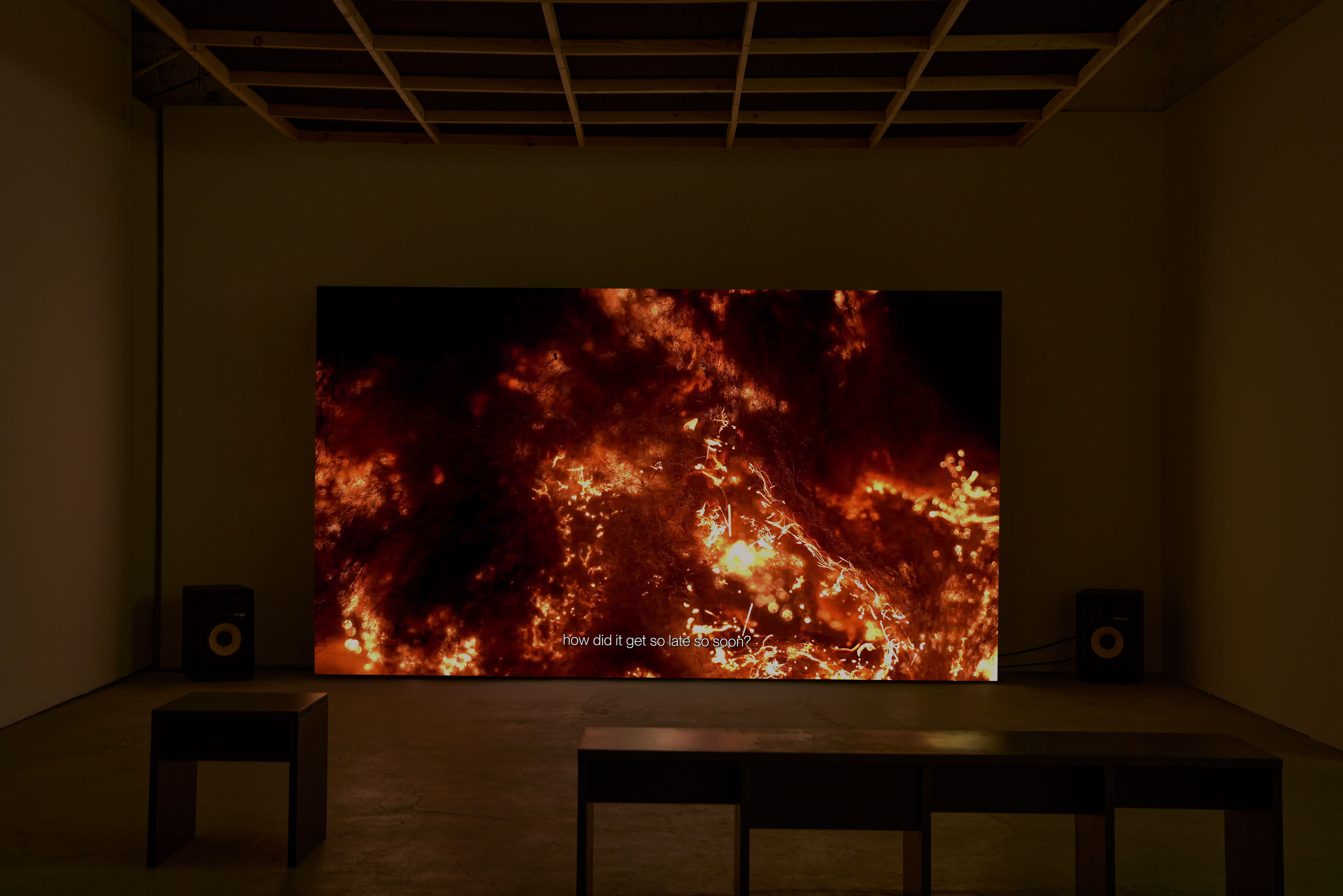
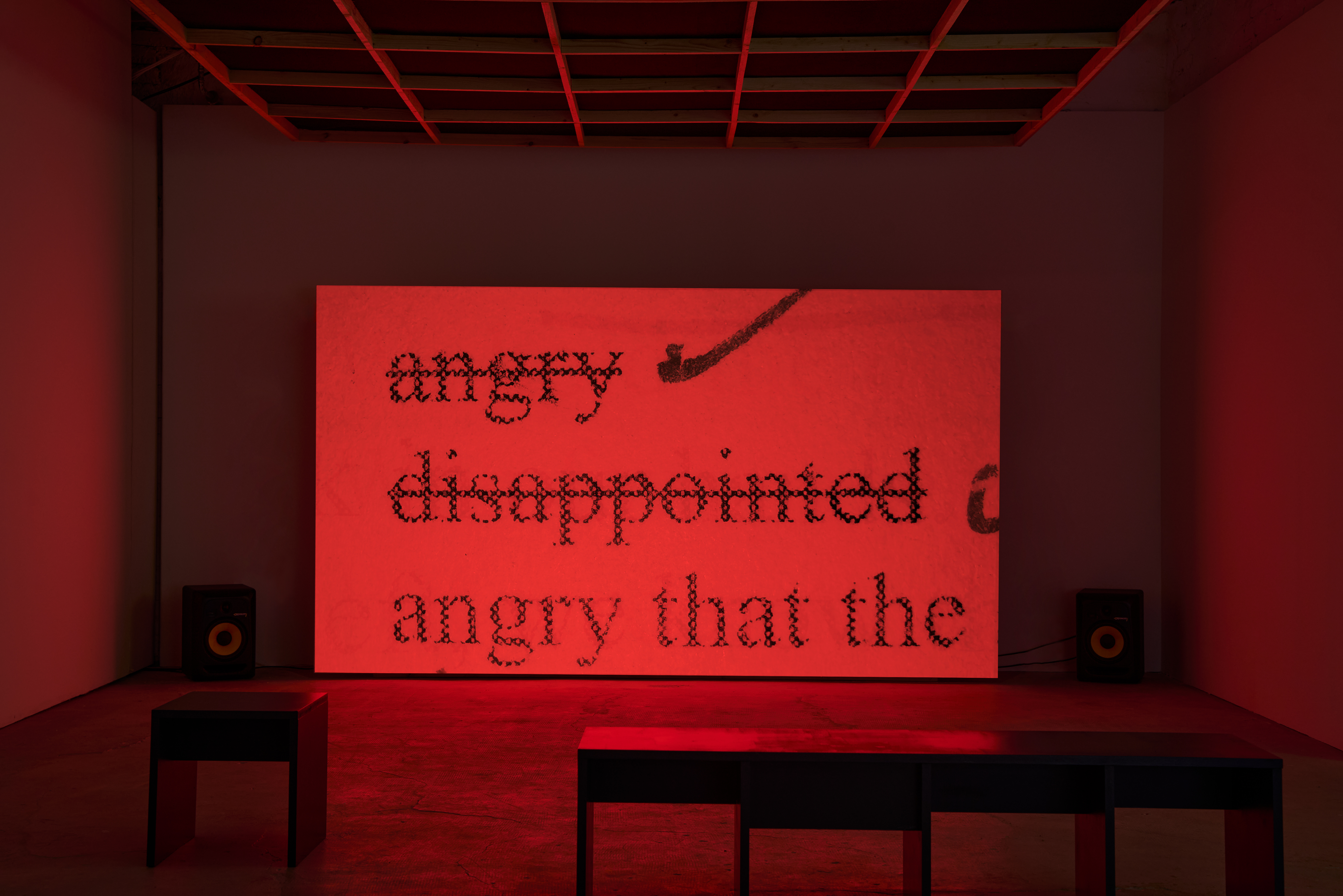
In the face of rising fascisms, anger and grief, tentative utopias, elite panics and defiant hopes, collapse appe- ars in this context not as a private retreat, but rather as a beginning of shared world-making. With reference to moments of play, intimacy and physical violence, the work reflects on the manufactured nature of these mo- ments. Private and political mourning, anger and sentiment permeate one another: the refracted voices of artists, thinkers and political figures spill into the narrative of collapse and renewal, into the rise and fall and rise and fall and rise and fall, dancing on a single breath.
But first the island must be rescued from the tempest of events. Images loop, split and fold into one another. Time jumps, circles, jams. Sometimes scenes double, falling into syncopic rhythm, beating the great, absurd, fleeting or accidental forms we might live, provisionally, together. The constellations of collapse are not a private retreat, rather as a polyphonic engagement with the world and the beginning of hope emancipated from technological solutions.
script, editing, DOP, sound
Laura Leppert
Performers
Jessica Arseneau, Jessica Edwards, Jinran Ha